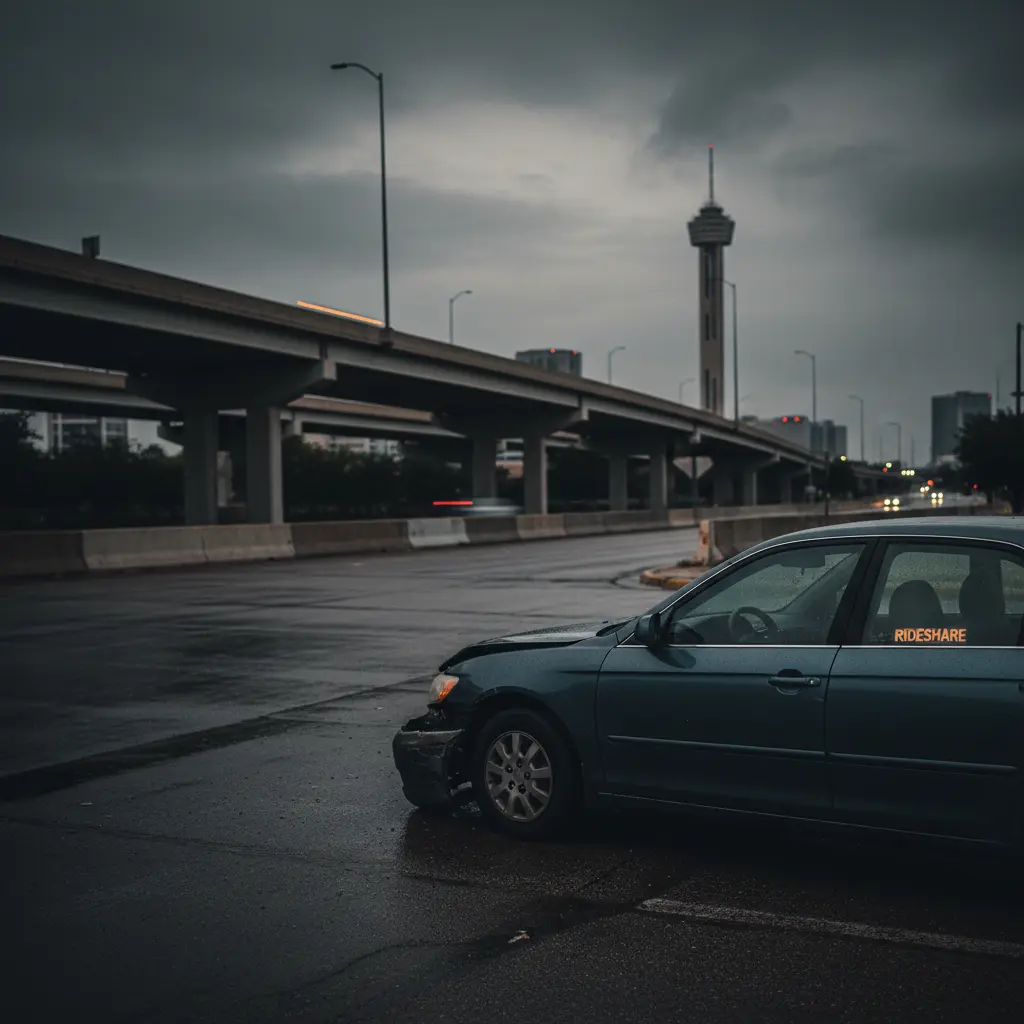
What Texas Law Means For Your Uber / Lyft Accident Case
In San Antonio, Texas, injury cases follow the same statewide rules — but local courts and insurance adjusters have their own patterns. The attorney we match you with knows them.
The 2-Year Deadline
Texas Civil Practice and Remedies Code §16.003 gives you exactly 2 years from the date of injury to file suit. Miss it and your case is over — there is no extension, no exception for "I didn't know I could sue." Wrongful death claims have the same 2-year window from the date of death.
Modified Comparative Fault (51% Bar)
Texas uses Tex. Civ. Prac. & Rem. Code §33.001. You can recover damages as long as you are 50% or less at fault. If you are 51%+ at fault, you recover nothing. Insurance companies know this rule and aggressively try to push fault percentages above 50%. An experienced attorney pushes back.
Damage Caps You Should Know
Texas caps non-economic damages in medical malpractice cases at $250,000 per defendant (Tex. Civ. Prac. & Rem. Code §74.301). There are no caps in standard auto, premises, or product cases — making attorney negotiation skill the deciding factor in your final number.
What To Do Right Now
- Get medical care immediately. Insurance companies argue any gap in treatment means you weren't really hurt.
- Do not give a recorded statement. Adjusters call within hours of a crash to lock you into damaging admissions. Decline politely.
- Save everything. Photos, medical records, bills, work-loss documentation, witness contacts.
- Get matched with an attorney before you sign anything. Settlement releases are final.