What Happened
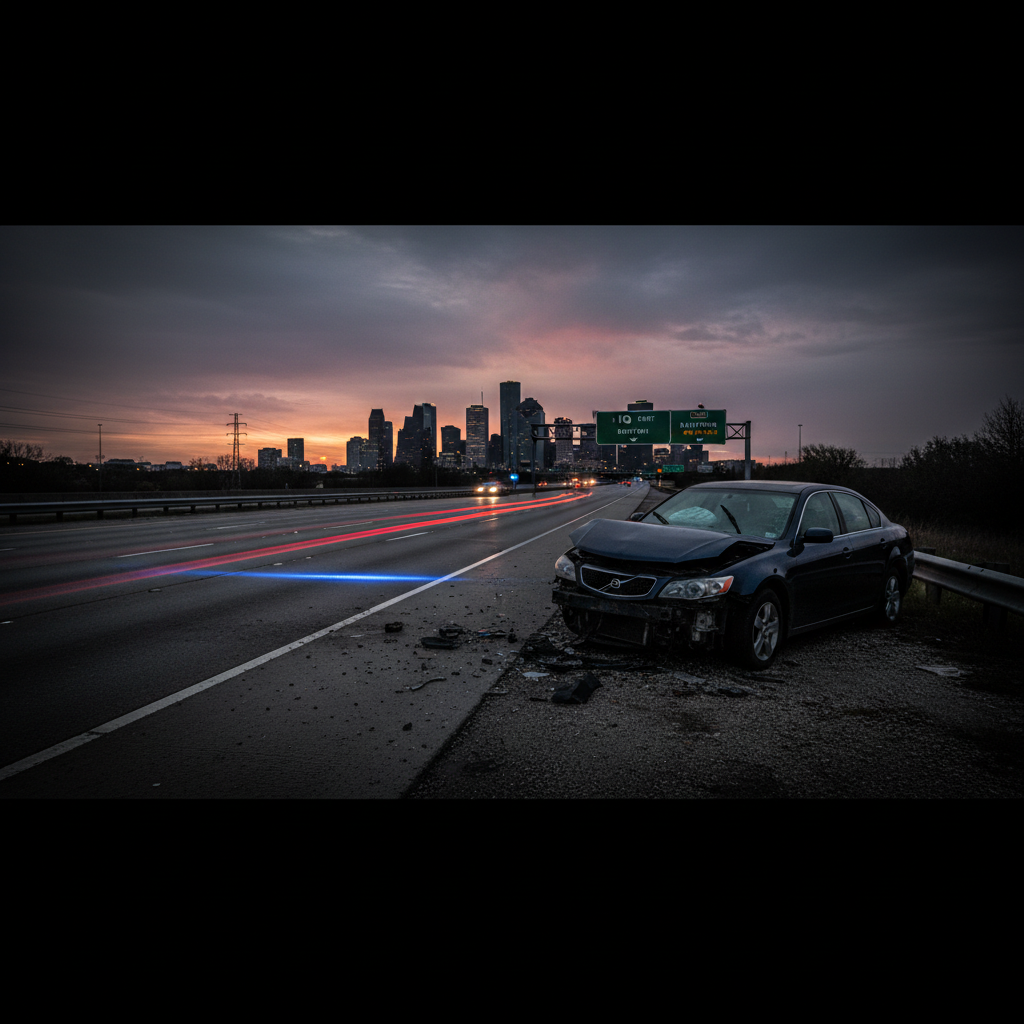
A Bellaire Police Department vehicle was involved in a crash after a chase concluded near the MacGregor/Third Ward area of Houston. The pursuit originated in the Bellaire/West University area before ending in the crash. It is unclear from initial reports whether civilians were injured in the collision. Crashes involving law enforcement vehicles during pursuits can give rise to governmental liability claims depending on Texas Tort Claims Act applicability. Investigators are reviewing the circumstances of the chase and the resulting crash.
A police pursuit that began in Bellaire and West University ended in a crash near the MacGregor and Third Ward area of Houston. Crashes involving law enforcement vehicles can leave civilians with serious injuries, mounting medical bills, and unanswered questions about who is responsible. If you were in or near that collision, the circumstances of how and why that chase ended in a crash may matter to your legal options.
Dealing with injuries from a government-vehicle crash is different from a typical car accident. Agencies can be slower to share information, and special legal rules govern how and when you can bring a claim. You should not have to navigate that process alone while you are focused on recovering.
Texas law: Under the Texas Tort Claims Act, governmental units including municipal police departments can face civil liability for certain vehicle accidents occurring in the course of official duties, subject to specific conditions and caps. Texas also follows a modified comparative fault rule, meaning your ability to recover can be affected if you are found partially at fault. Critically, claims against a government entity may require formal written notice within 90 days of the incident, and the general personal injury statute of limitations in Texas is 2 years from the date of injury.