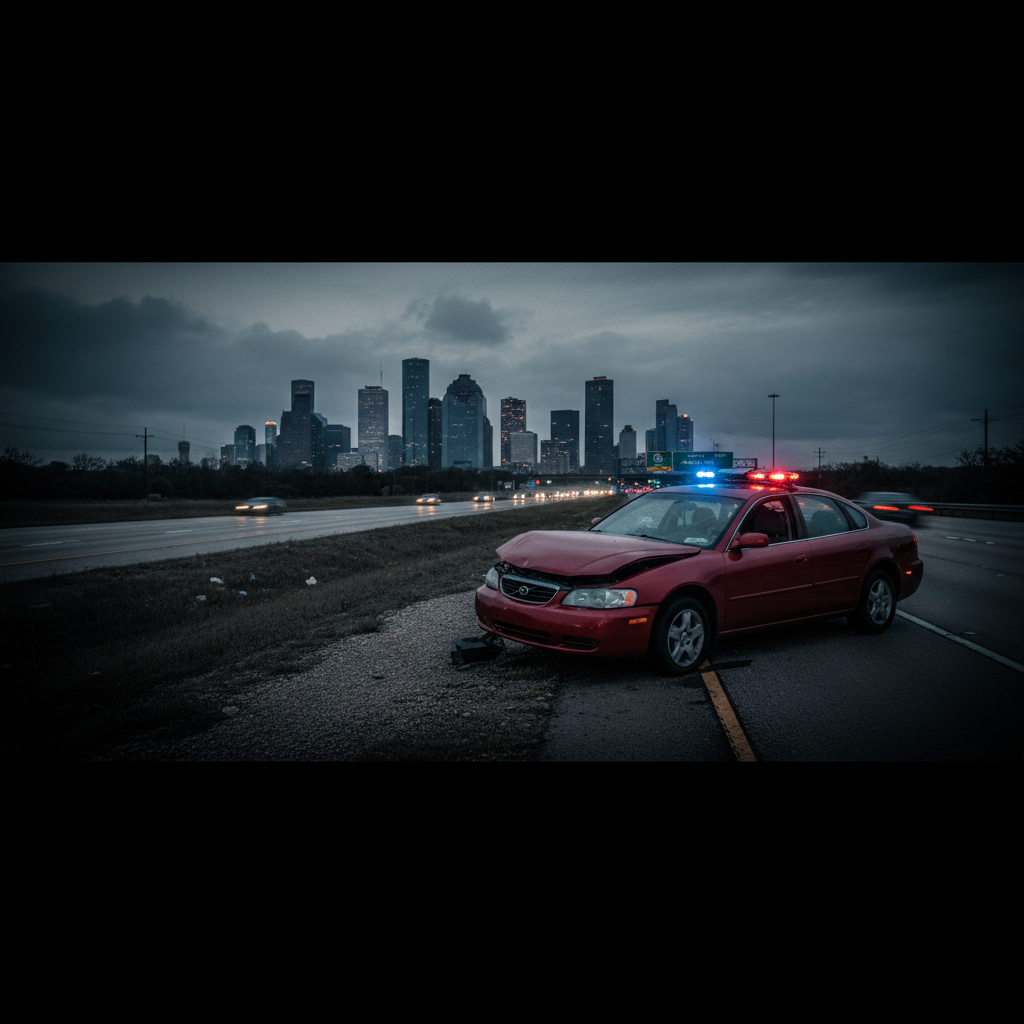
What Happened
Harris County Precinct 4 officials confirmed a vehicle struck a residential structure in northwest Harris County, prompting an investigation. The force of the crash was significant enough to warrant emergency response. Details regarding injuries to the driver or home occupants have not yet been fully disclosed. Liability may extend to the driver, and depending on circumstances, to third parties such as roadway designers or nearby property owners. Investigators are currently working to determine the cause and full extent of damages.
When a vehicle crashes into a home, the victims on both sides of the collision face sudden, overwhelming uncertainty. Residents who were inside the structure may have suffered traumatic injuries without any warning, while occupants of the vehicle may be dealing with serious physical harm and mounting medical bills. In the immediate aftermath, it can be nearly impossible to think clearly about your legal options while also managing your recovery.
The physical and financial toll of a crash like this can be severe and long-lasting. Medical treatment, property damage, lost wages, and emotional distress are all real consequences that victims should not have to bear alone. Understanding who may be legally responsible and acting within Texas deadlines is critical, but you do not have to figure that out by yourself.
Texas law: In Texas, injured parties generally have two years from the date of the incident to file a personal injury lawsuit, as established under Texas Civil Practice and Remedies Code Section 16.003. Texas follows a modified comparative fault rule, meaning a victim may still recover damages as long as they are found to be no more than 50 percent responsible for the incident. Depending on the facts, liability in a vehicle-into-structure collision may extend to the driver, vehicle owner, a government entity responsible for roadway design, or other third parties, making early investigation important.